What is Eco Art Therapy?

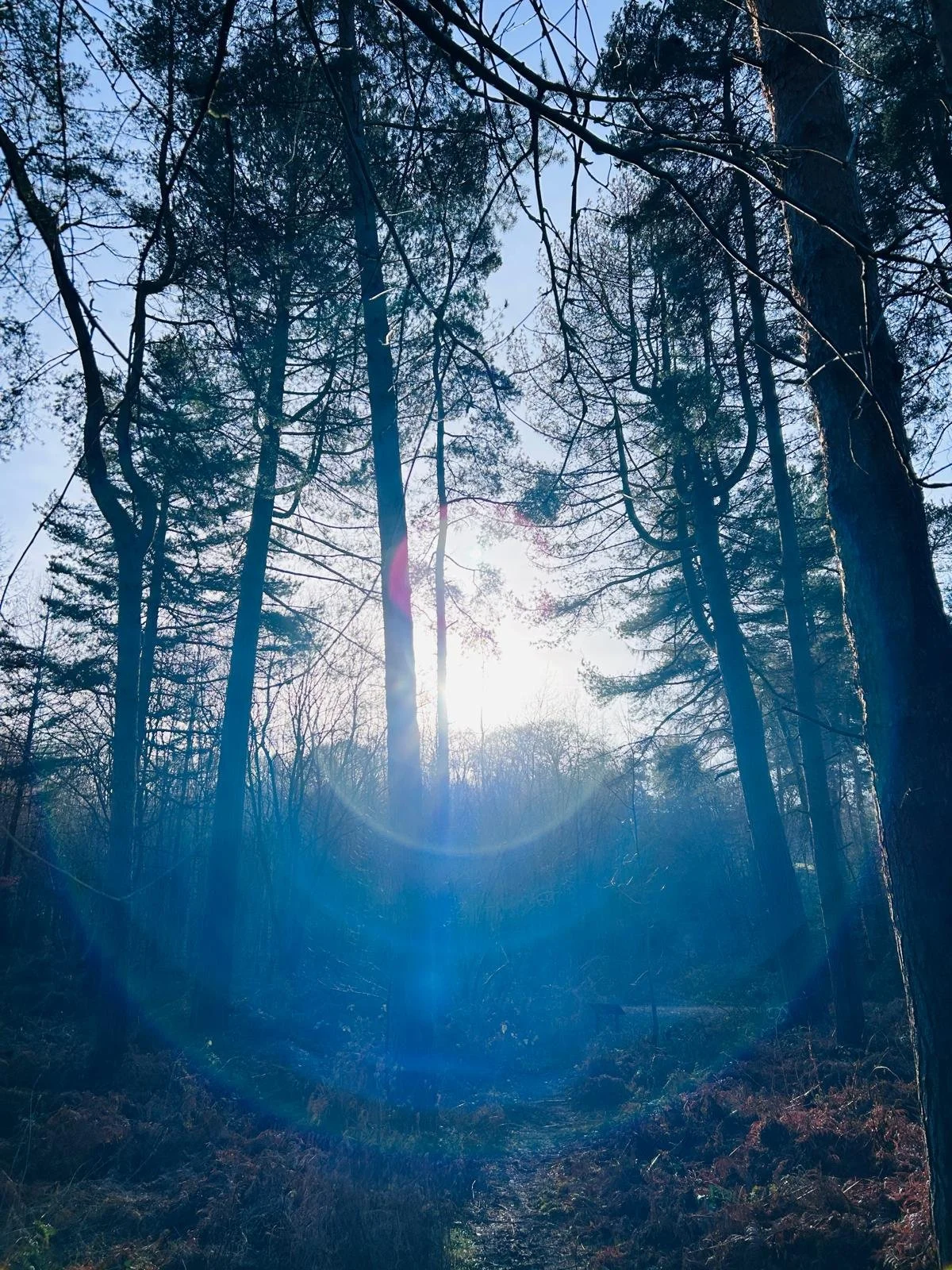
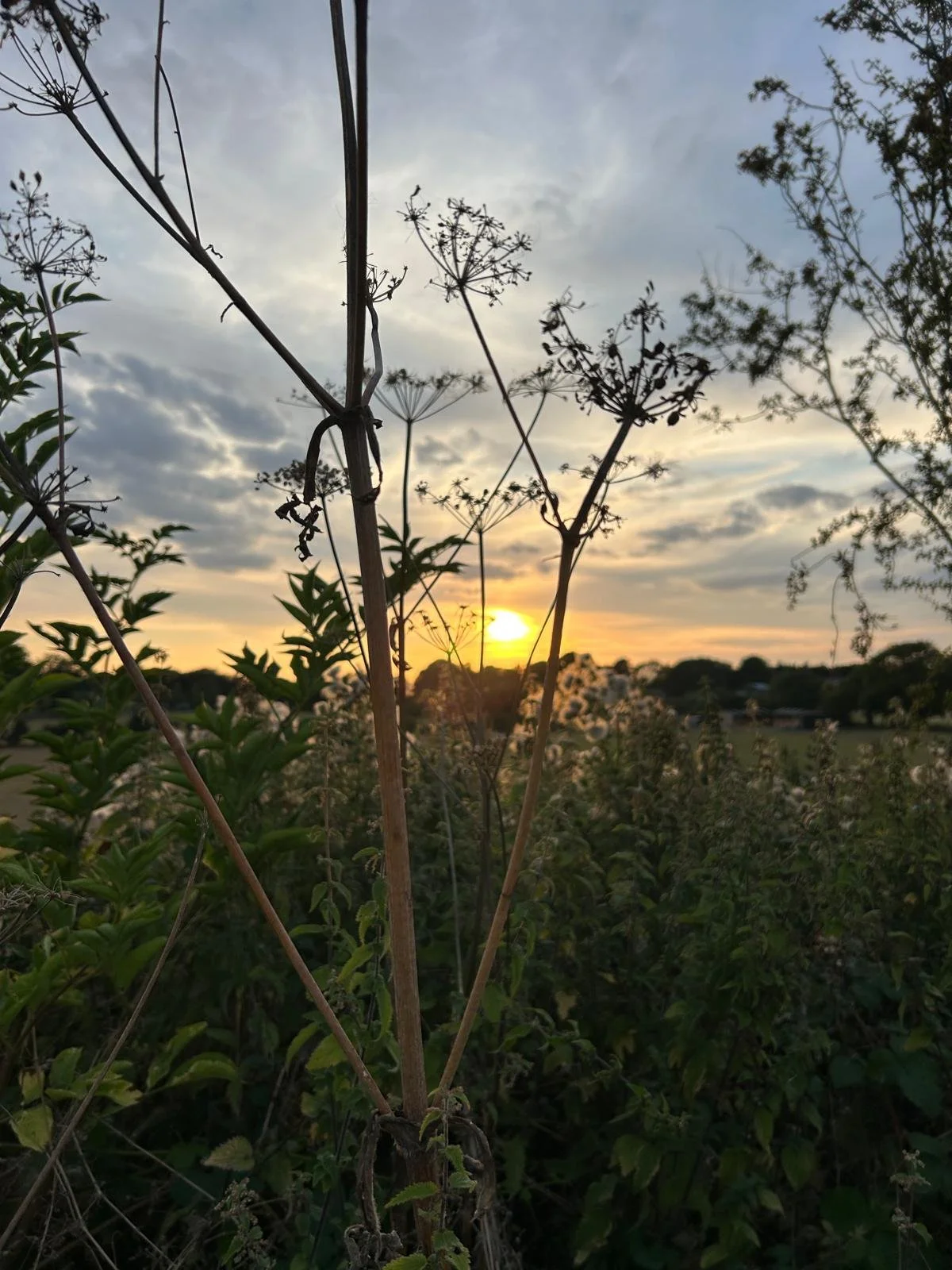
Ecological art therapy, or nature-based art therapy, takes place outdoors in natural spaces. I believe that being in nature is inherently healing and grounding. Having art therapy in the hands of Mama Earth can support us through bereavement, the processing of anger and other emotions, and can re-establish trust in outdoor spaces after trauma.

Being outside empowers us and reduces barriers to accessing therapy. For people who are socially anxious, walking together offers a safer way to connect and talk. For example, engaging in therapeutic conversations outside, whether we are walking, sitting, or doing both, can introduce a positive and different dynamic to the therapy experience. This approach can be particularly beneficial for individuals who feel anxious in confined spaces, and walking side by side can lessen the intensity of eye contact, which may help neurodiverse individuals.

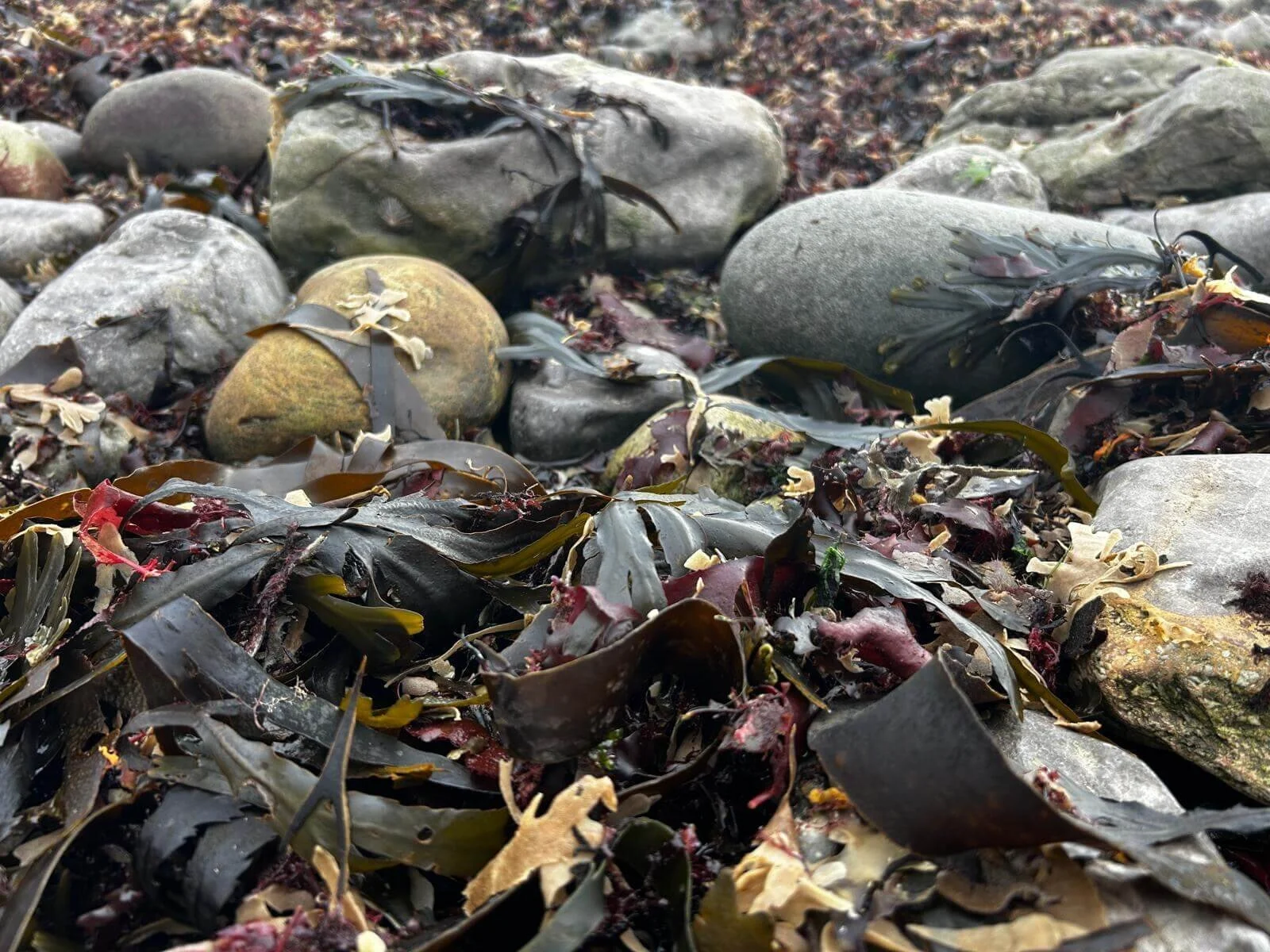
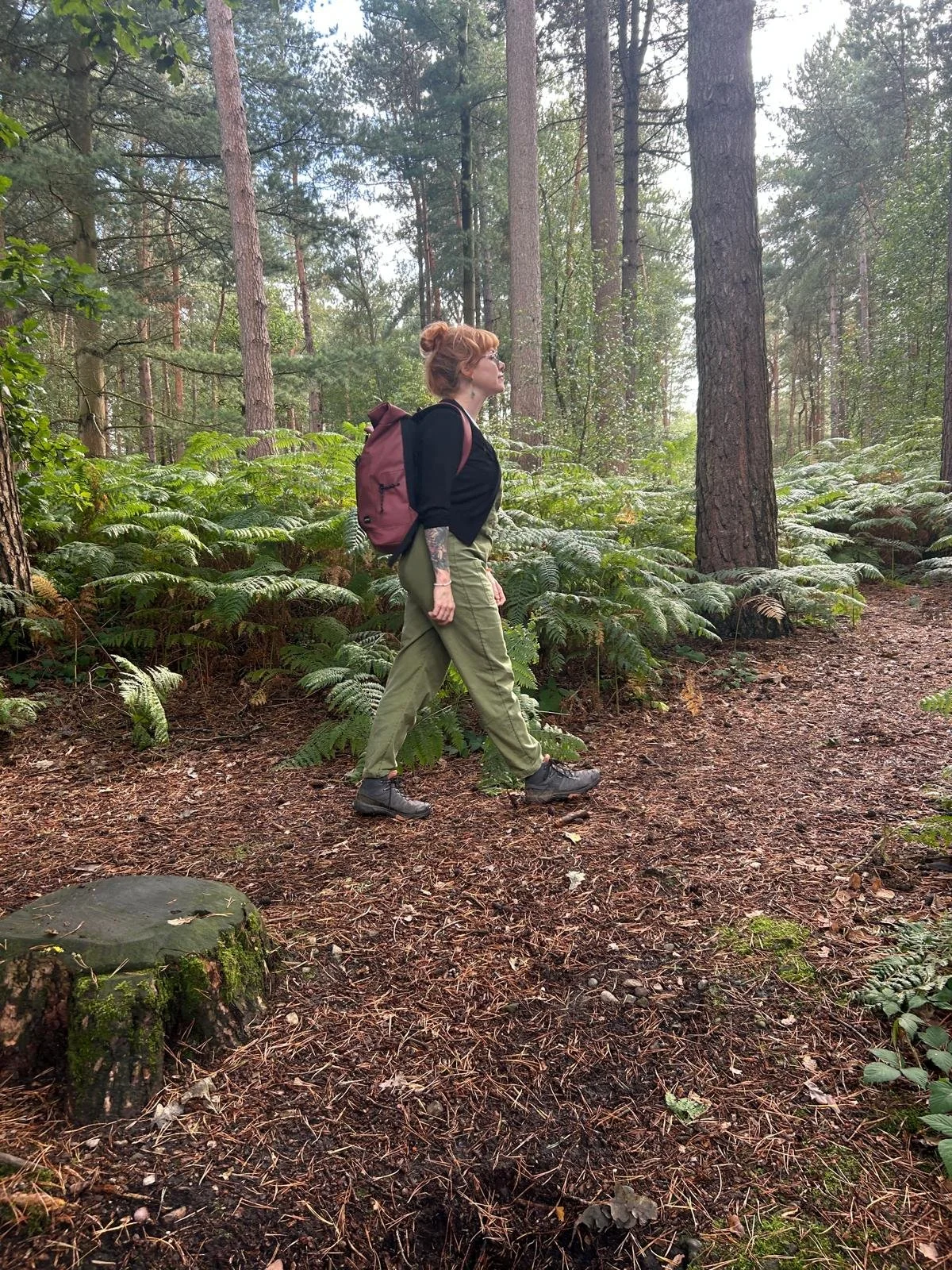
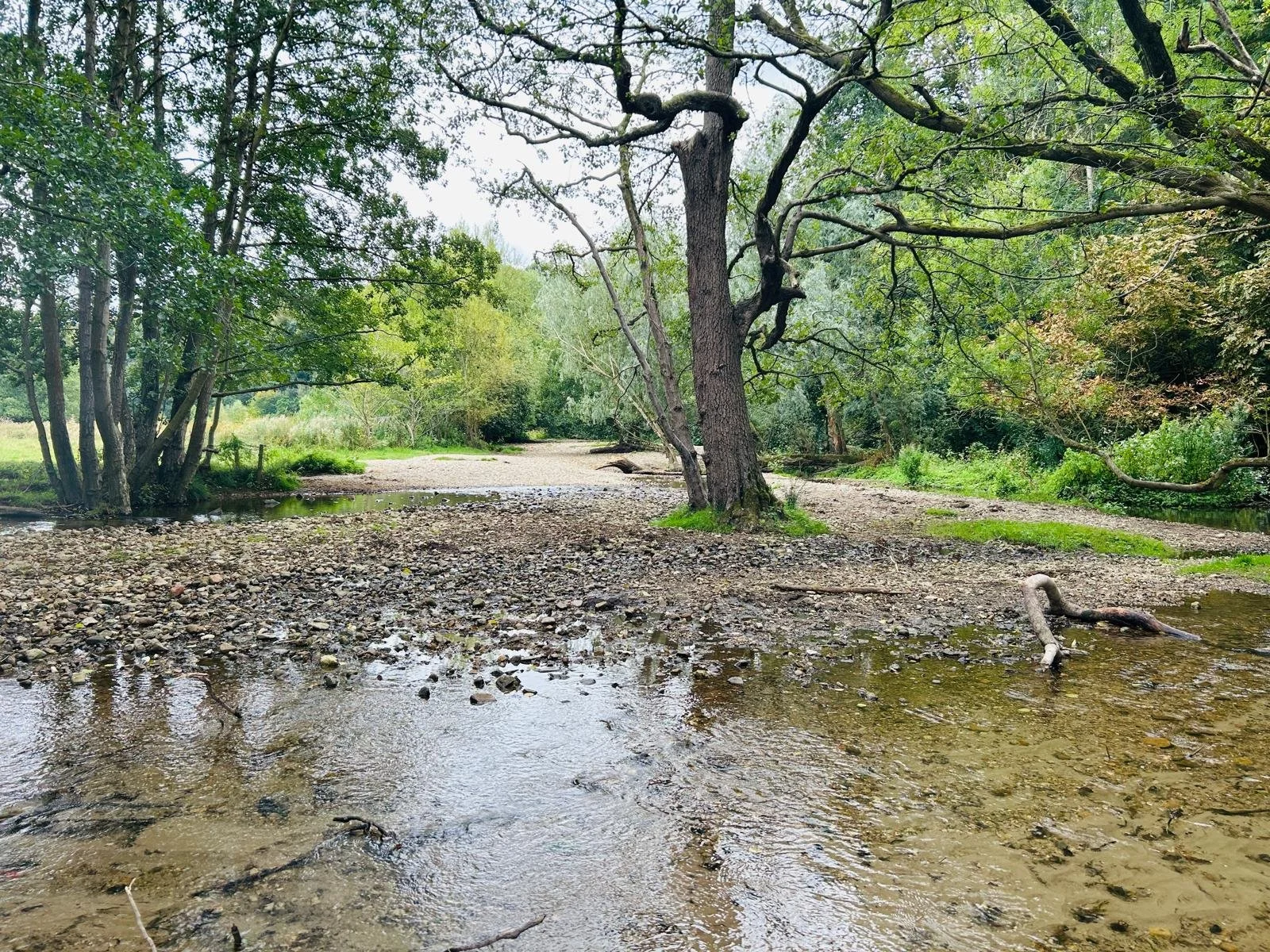
For clients with access to transport, we can meet in local forests, nature trails and beaches. For those who prefer to stay closer to home, or with limited mobility, we can practice eco-art therapy in cities in parks, alongside canals, cycle paths, community gardens, allotments, and hospital grounds.
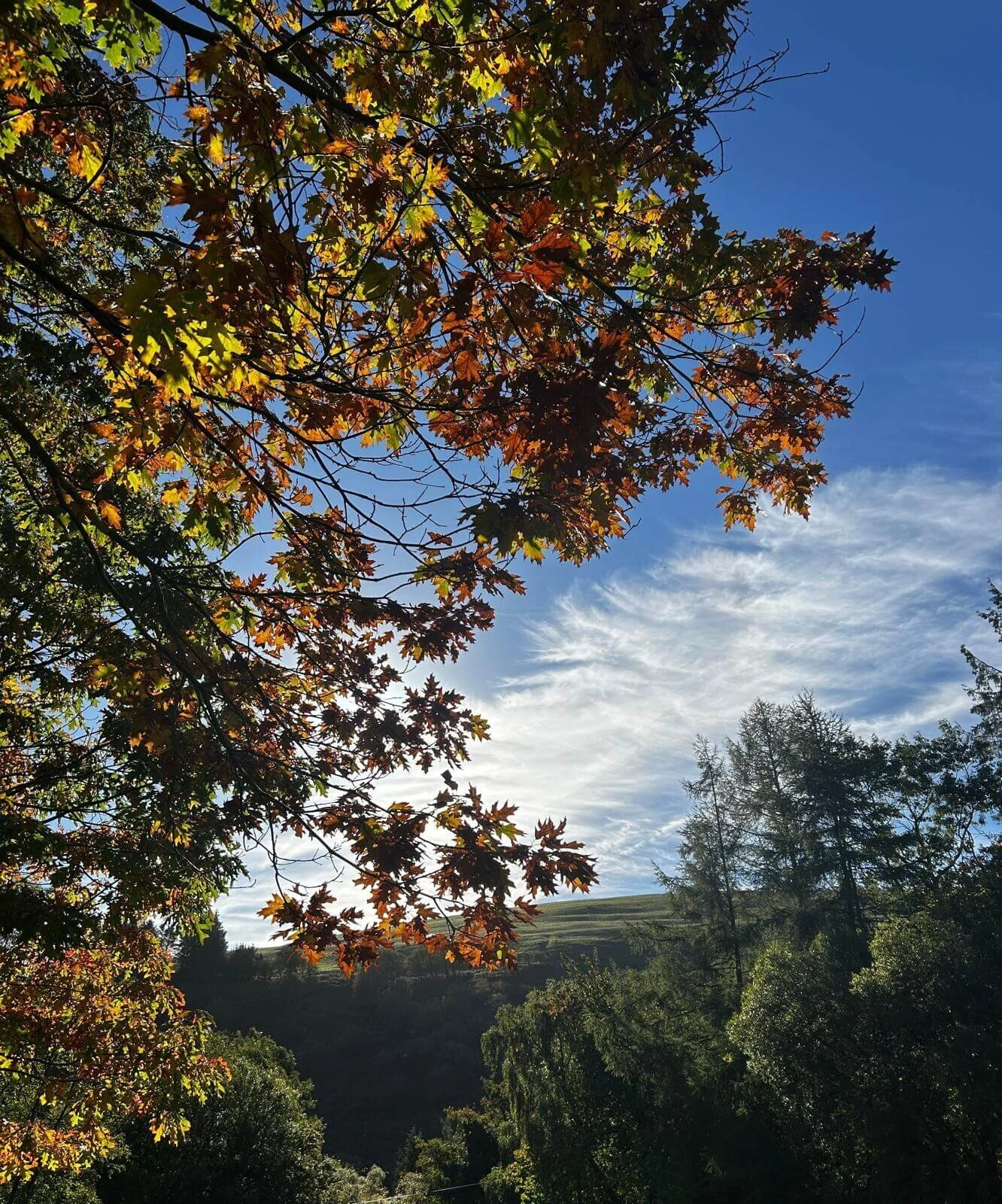
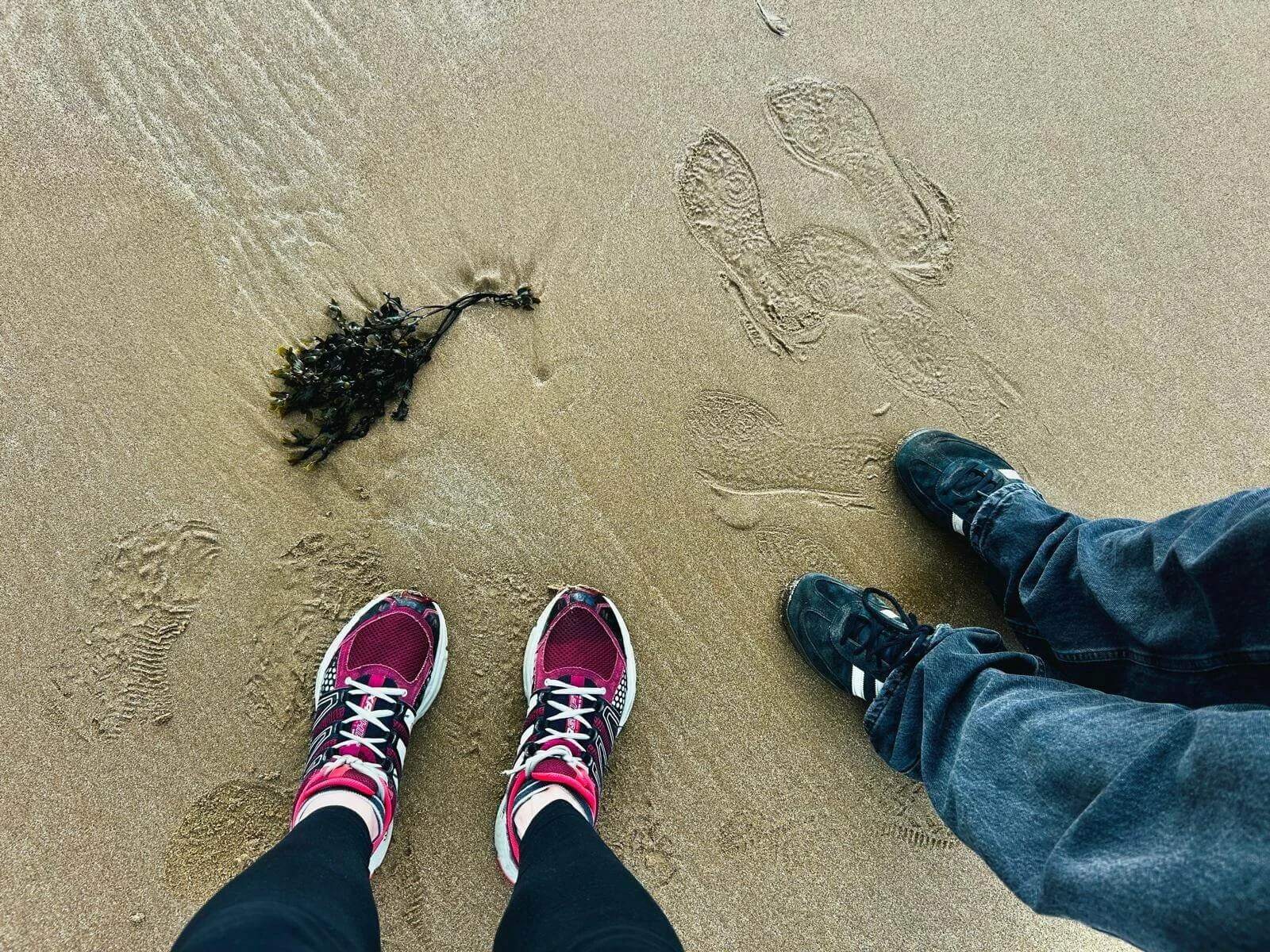
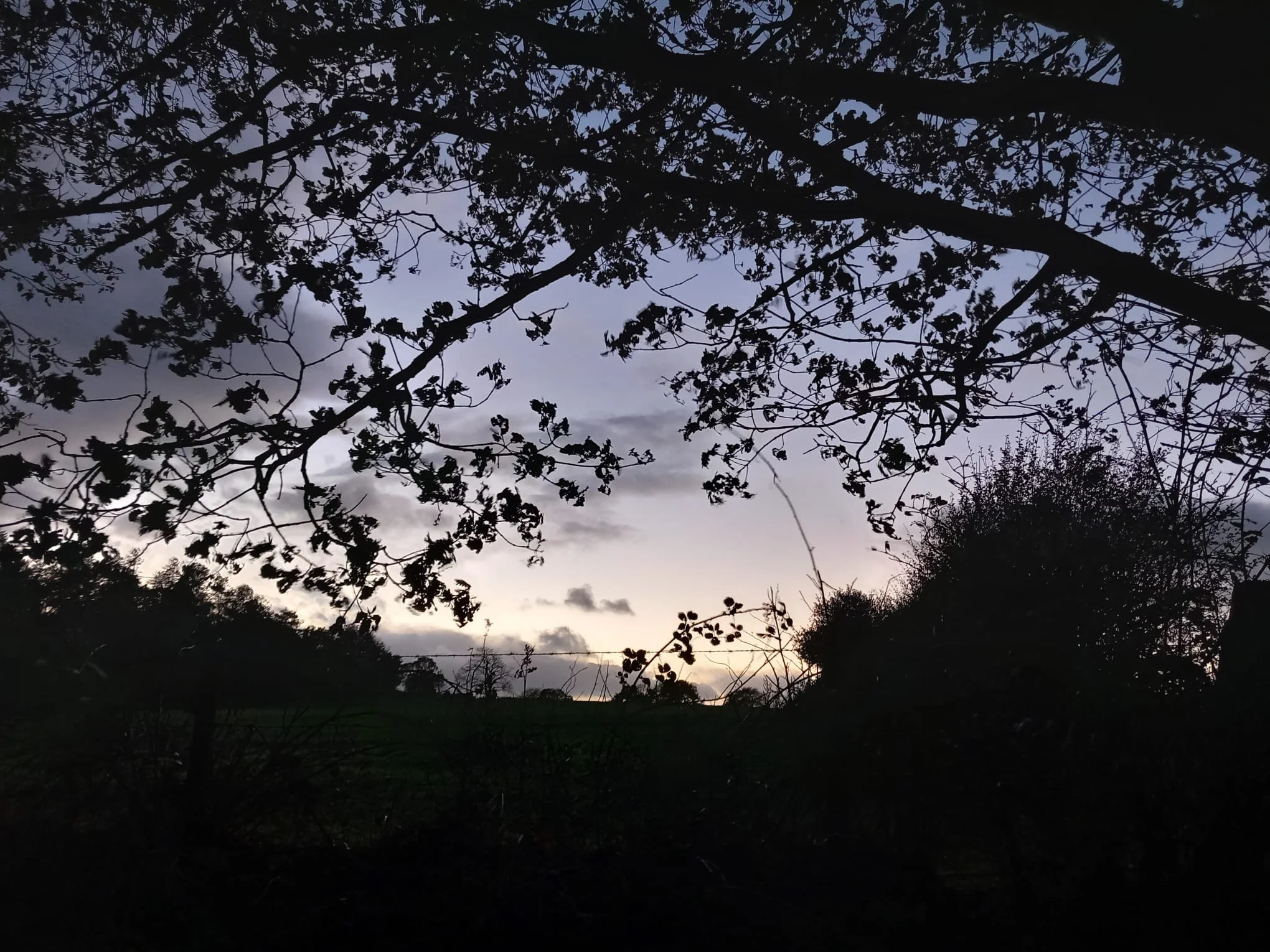
Wanderings with Mama Gaia, 2025-2026, Kaety Moon


Art Making Outside

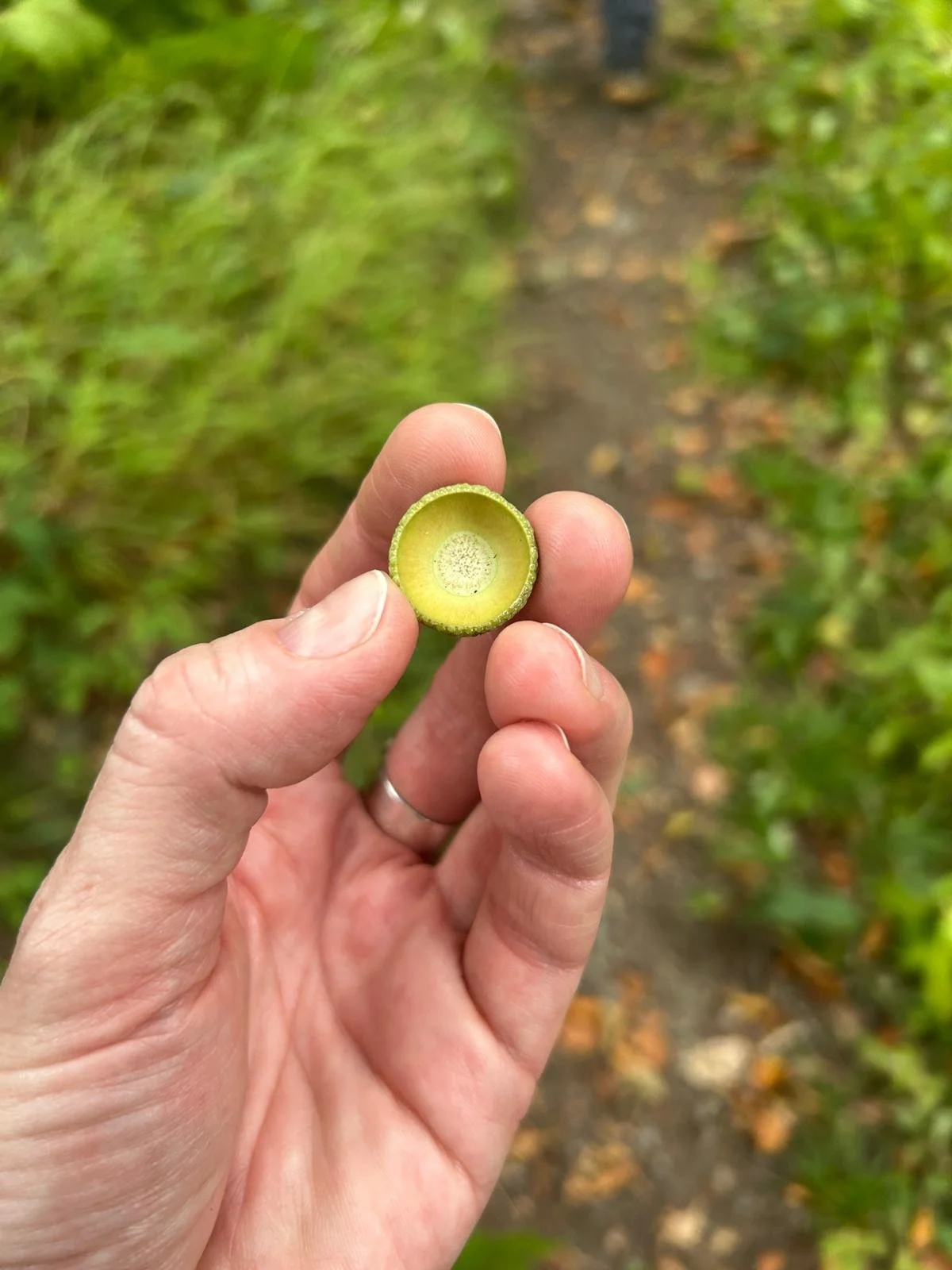
Eco-art therapy broadens our art-making: we may find ourselves sculpting with mud, sand, or river clay; creating mandalas with twigs, stones, and leaves on the forest floor; or wrapping branches with grasses. We can also use traditional art materials and sketchbooks outdoors to draw, paint, and collage; or work on craft projects in the open air.

Eco Art therapy can also involve philosophical and psychogeographical elements: where we walk can influence our emotions and moods, either consciously or unconsciously. For example, we may choose a specific location when we are in a certain mood. Or we may be uplifted or otherwise affected by the environment we are in.
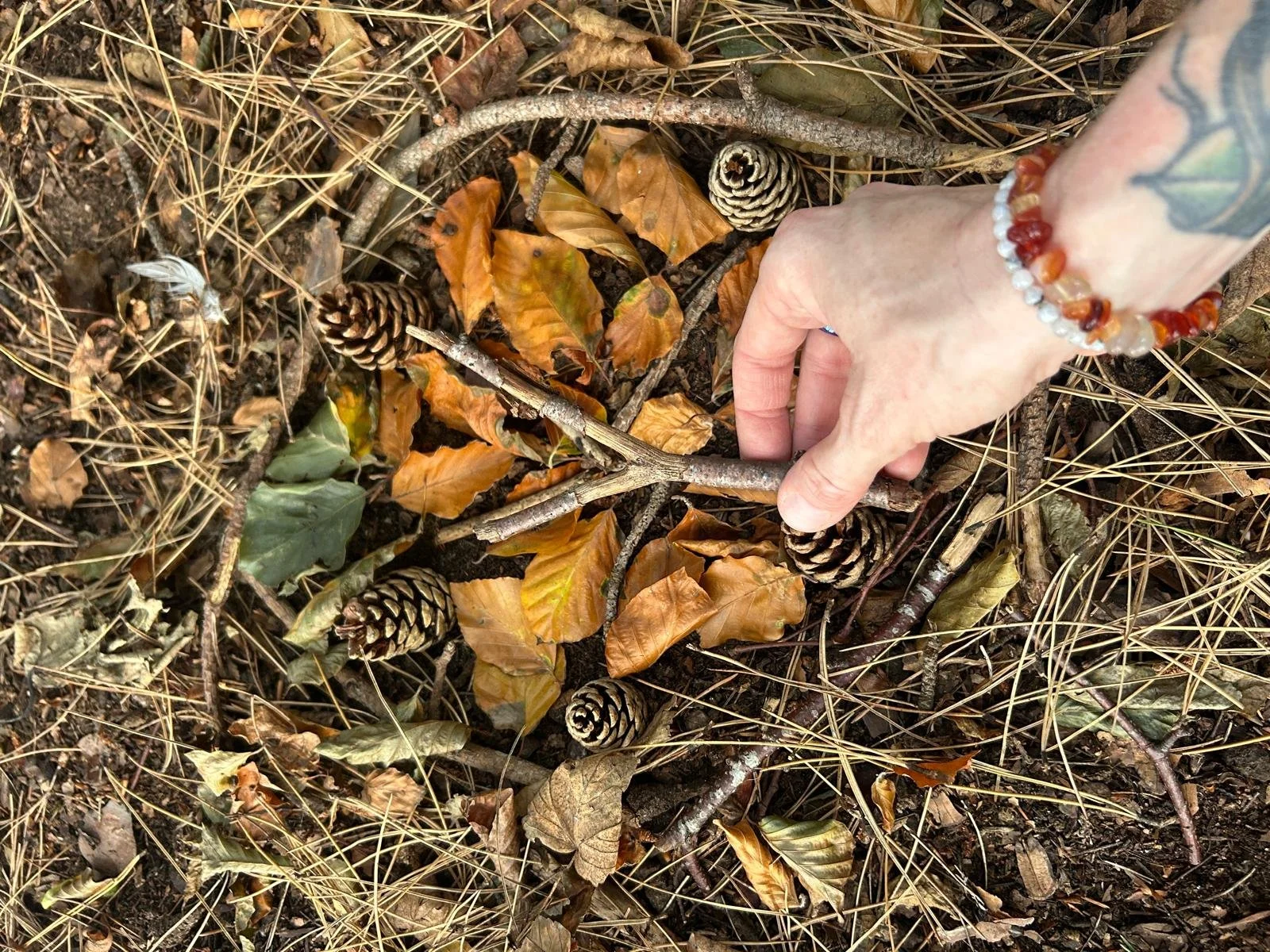
A hand places a forked twig on a bed of orange leaves, adorned with pine cones and feathers

A woodland mandala, 2026, Kaety Moon
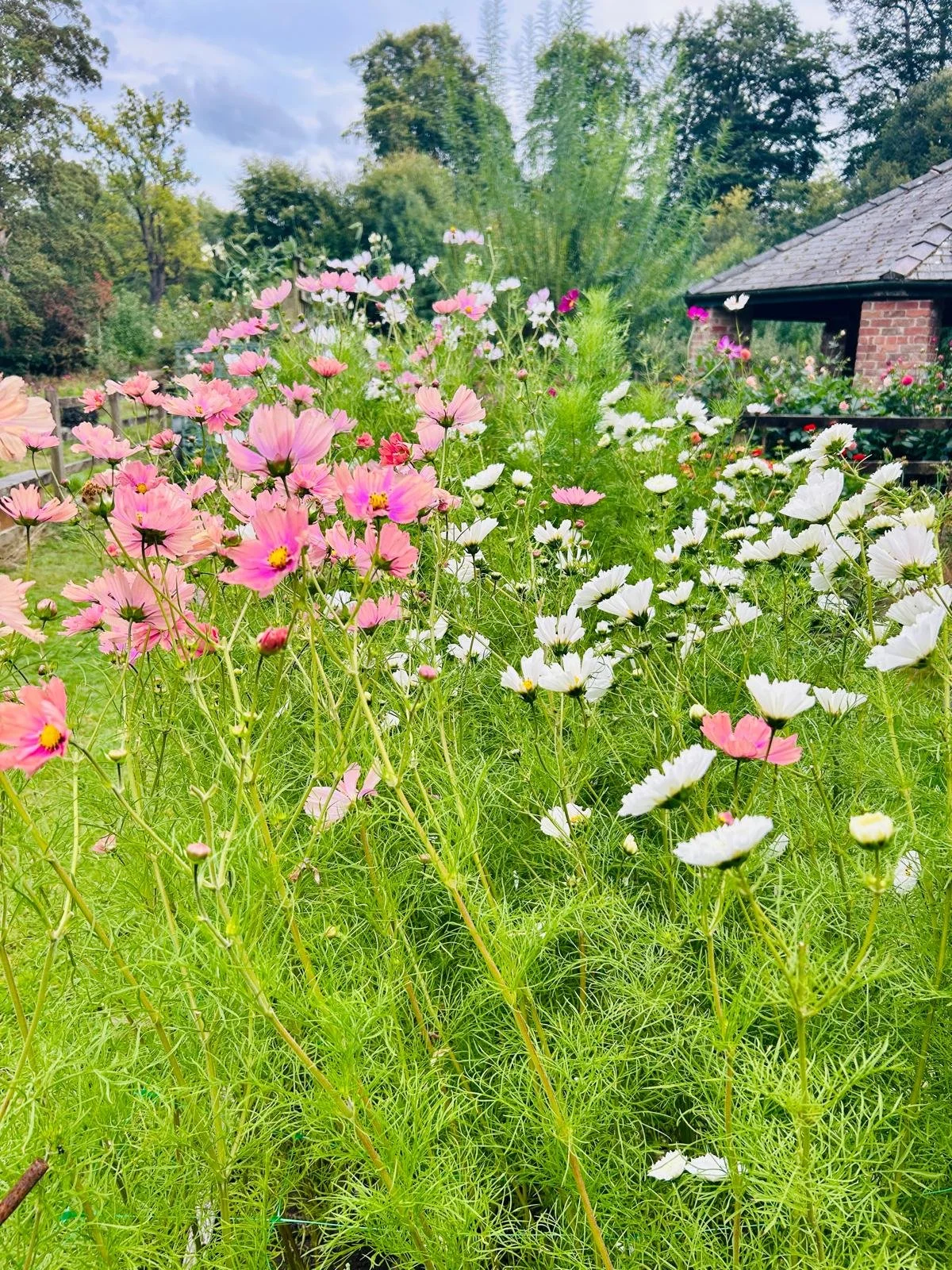

Exploring Ecological Emotions through Art Therapy

Working in outdoor spaces can offer solace to displaced people and those navigating migration due to eco-crises.

Eco art therapy can also support those encountering ecological grief and eco-anxiety as they witness the ecological crisis.


A Hopeful Response to Eco-Anxiety

It is my belief that the capitalist steer towards individualism is a significant relational and ecological threat - we need one another more than ever to reestablish care and community, not only with our fellow humans. Surely we are called to heal our relationship with all animals, plants, waters, forests, sky, and soil, when we remember we too are a part of nature. When we feel held and cared for by nature, we are more likely to return our care.

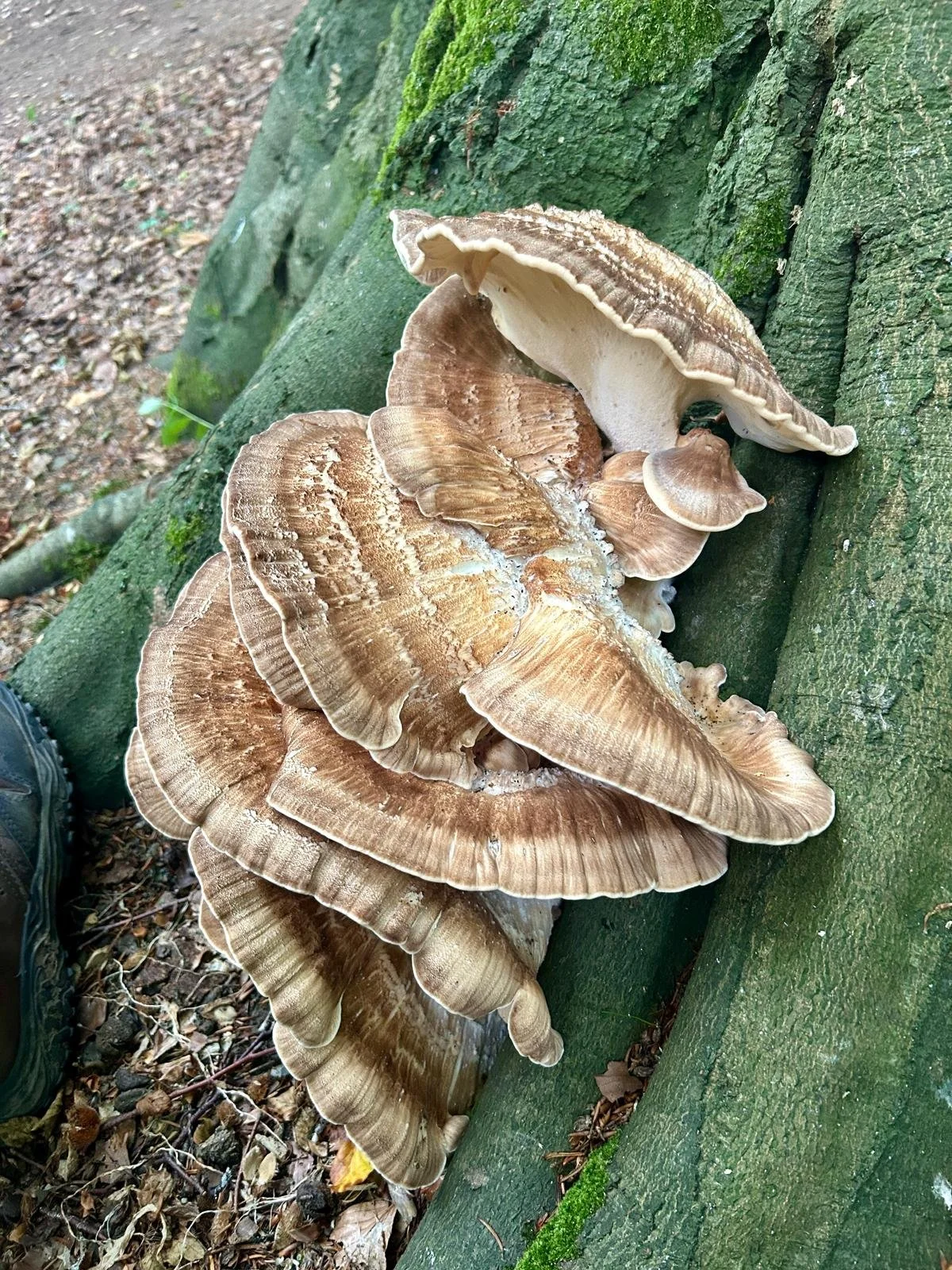
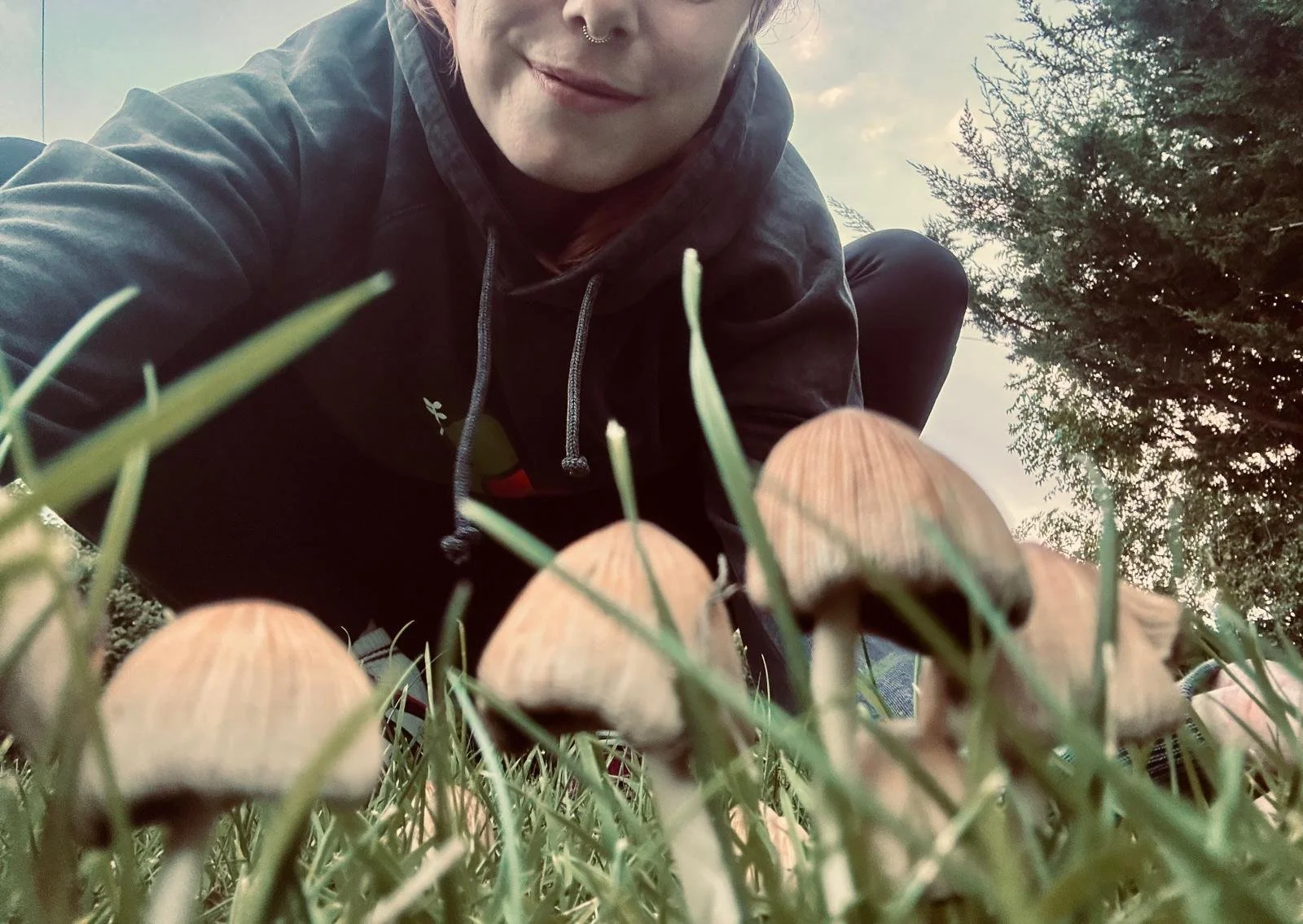
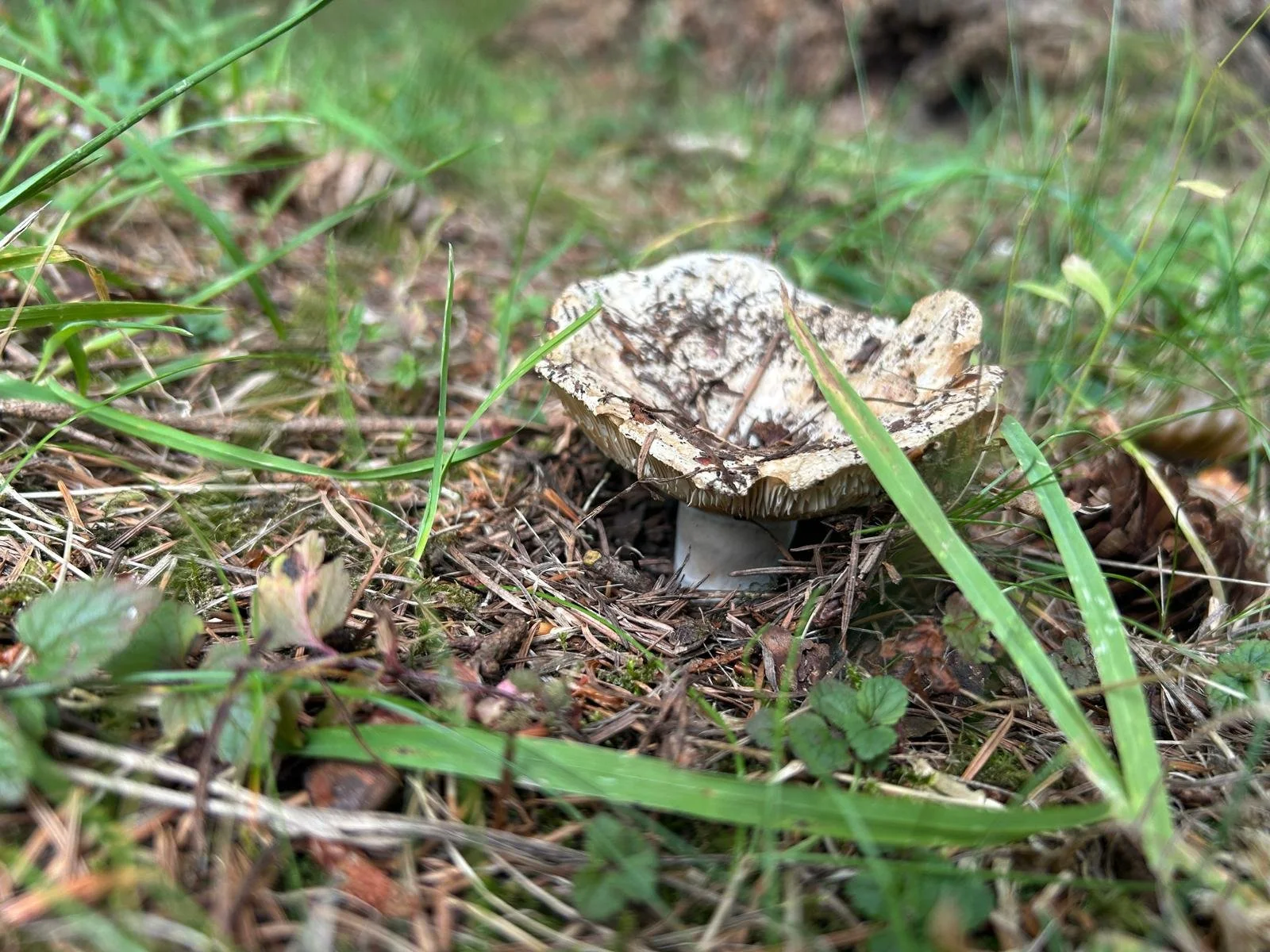
Each day, we can choose to strengthen our interconnectedness with the rest of the natural world. We can experience being part of something bigger than ourselves when we drop into the deeply connective space of awe and wonder through ecological contemplation. Much like trees are connected through their roots and mycelial networks, we too can deepen our awareness with the more-than-human world when we spend time in sensory connection with the natural spaces around us. Whether we have access to a vast forest, a window box or a plant pot, with soil in our hands and rain on our faces, we can feel connected to and supported by Earth.

Modern life can sever much of our connection to the more-than-human world, and with it our respect, awe, and reciprocity with rivers, oceans, forests, fungi, mountains, and skies. We can hold in mind that a reciprocal relationship is possible. The ecosystems of natural landscapes, with their intelligence and communication systems, have intrinsic value for existing, not only for what humans can extract from them. Mindful encounters with nature can foster compassion for ourselves and others and help us realise that more connects us than divides us. How do we create a world free from all forms of oppression, including speciesism?


What is Therapy Outdoors Like?

- Outdoor therapy is similar to our sessions in the therapy studio, but more mobile. We can sit together, create art, and have conversations as usual. I will provide a small sketchbook for our outdoor sessions, and we can use natural materials we find during our walk.

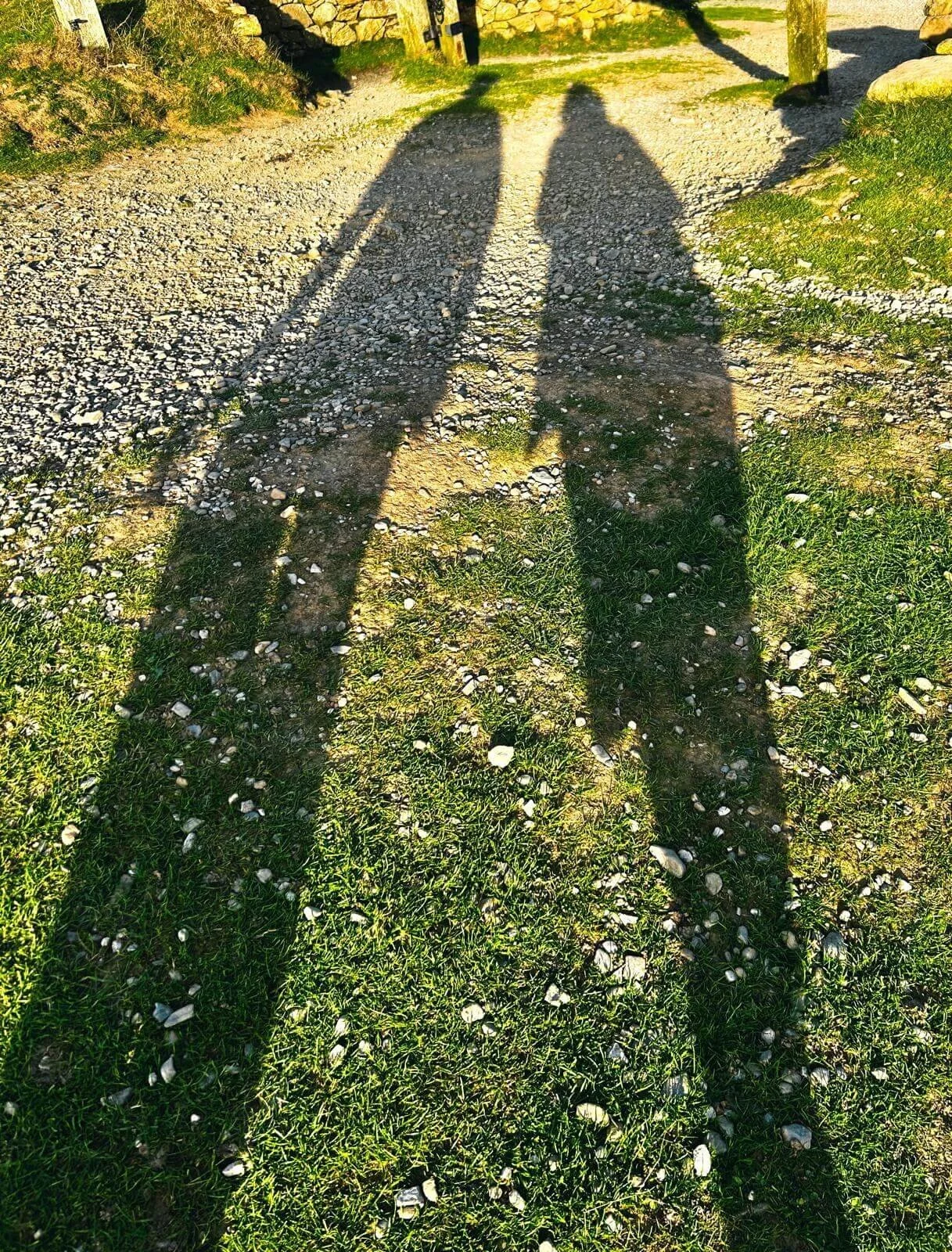
- Walking together conveys a sense of equality and connection.

Session Details

- Our outdoor therapy sessions offer freedom and flexibility in movement. We will meet at the same time each week, starting and ending our sessions at a mutually agreed-upon location. I regularly walk several routes, and we can choose one that suits your preferences. I will also assess the risks associated with the walks or locations you suggest to ensure your safety and comfort.

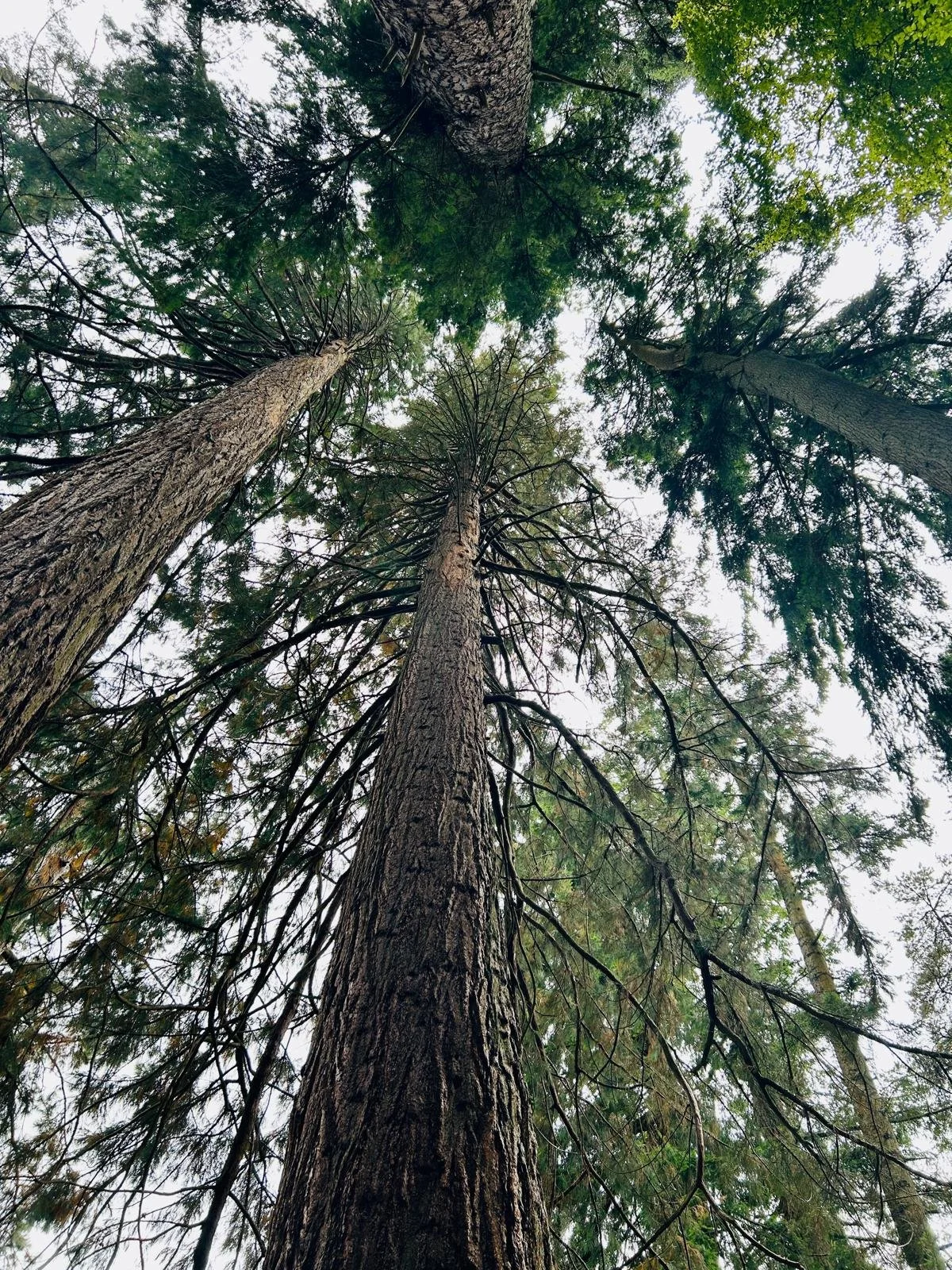
- You may prefer to take a leisurely stroll, head to a sitting area, or explore a woodland for 'forest bathing.' This practice involves immersing oneself in the sights, sounds, and smells of a forest, which can be deeply relaxing and rejuvenating, offering opportunities for stillness and peace as we work together.

Benefits of Outdoor Therapy

- Changing our physical environment and moving our bodies can help us think differently about aspects of our lives that may have felt stuck. The therapeutic benefits of being outdoors are vast, often providing a fresh perspective along with hope and optimism.

- Being outside can be physically relaxing, which helps our minds open up.

- Outdoor activities release endorphins, are generally mood-enhancing, and walking outside can improve health by lowering blood pressure, boosting immunity, and enhancing heart health.

Weather

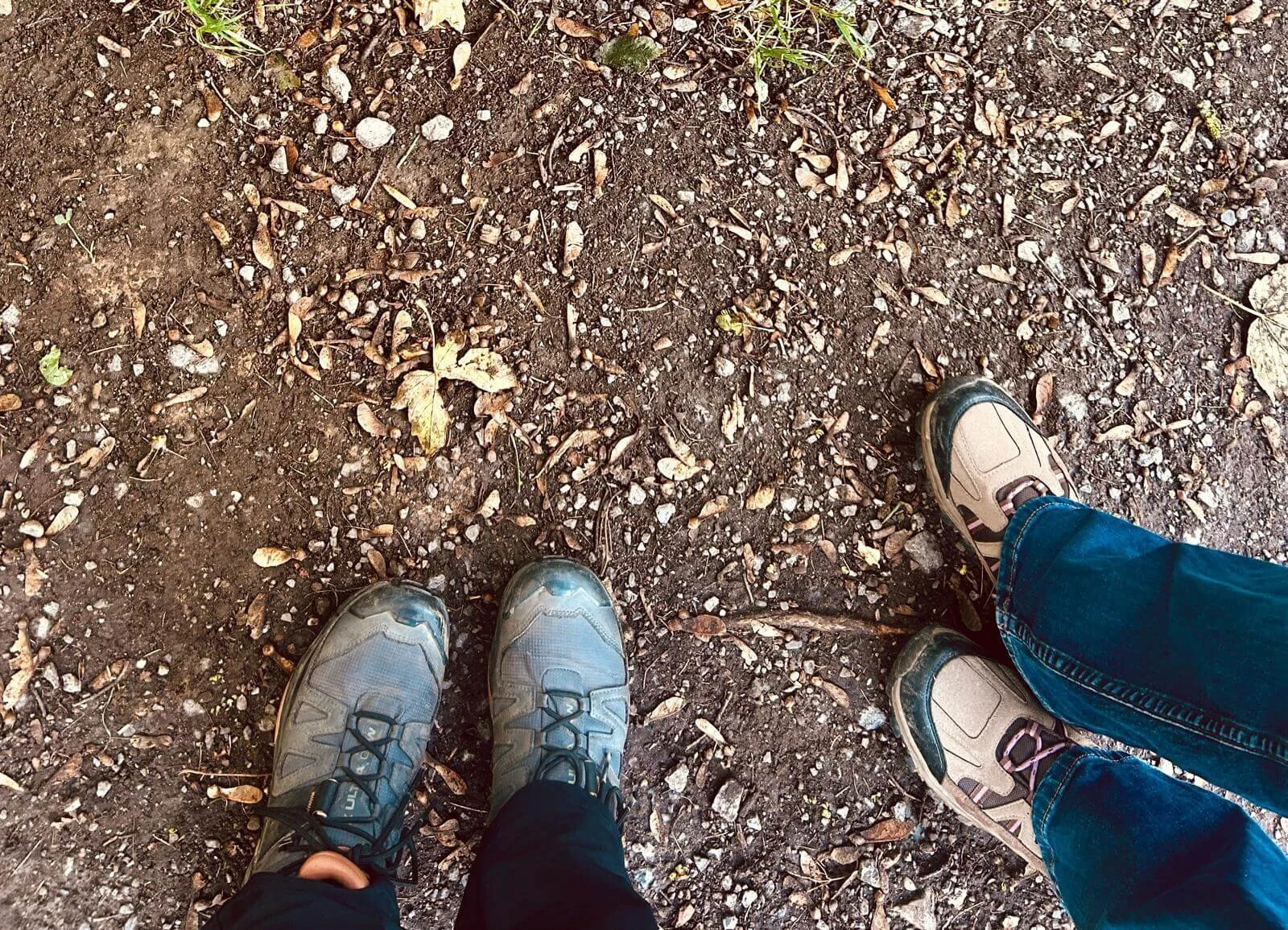
- I am happy to walk in any weather and will wear appropriate clothing for the conditions.

- I understand you might prefer to stay indoors in extreme weather. If it's too hot, too cold, or if there's heavy rain, we can switch to an online session or home visit instead.

- Your comfort and well-being are always my priority.

Confidentiality

- To maintain confidentiality during our sessions, we will agree that if we encounter anyone we know, we will inform each other and pause our conversation until we are alone again.

Boundaries

- While the physical boundaries may change in outdoor therapy, it’s important to remember that we are still engaged in a therapeutic relationship.

- Our therapy agreement remains valid, even when we are outside.

Pace

- We will walk at a pace that feels comfortable for you, whether that is slow or fast.

- Our walking pace might also reflect the themes we are exploring in therapy, which can provide insights into your experiences.


If you are interested in therapy outdoors, please get in touch to book a consultation.